
We Are Your Go-To Clinic When You Need Physical Therapy for Chronic Hip Pain
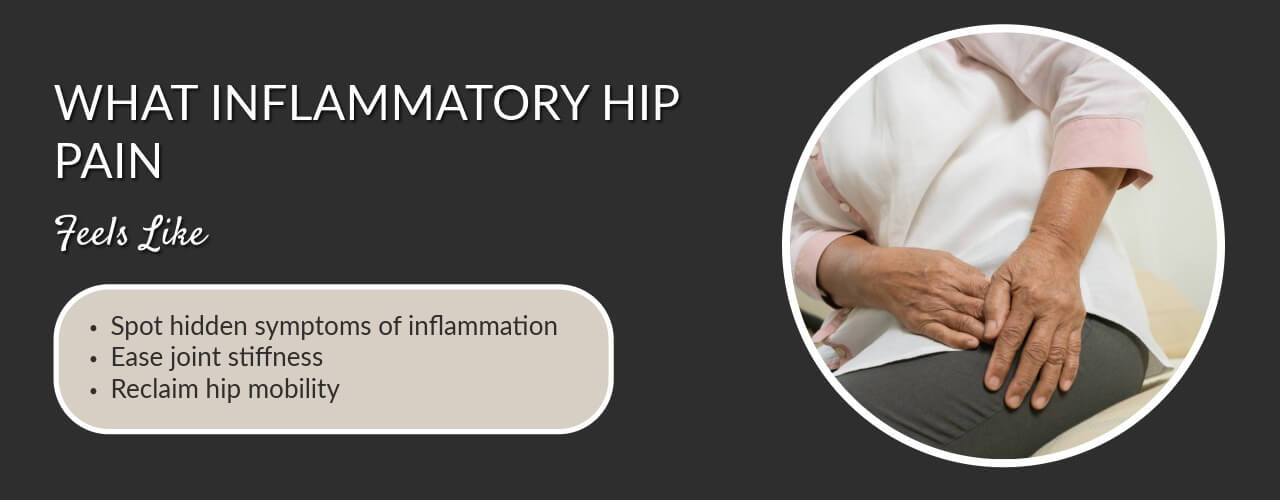
Do you wonder what it would be like if every step wasn’t met with a wince? Where bending down or climbing stairs doesn’t send a jolt of pain through your hip? It’s a life many with chronic hip pain long for but often believe is out of reach. The good news is that physical therapy offers a proven pathway back to a more active lifestyle. Through targeted exercises, hands-on techniques, and personalized plans, physical therapy for chronic hip pain empowers you to take control of your pain and rediscover the joy of movement.
Keep reading to learn more!
Physical Therapy For Chronic Hip Pain
Physical therapy for chronic hip pain is a multifaceted approach that aims to address the underlying causes of your pain and improve your overall function. Here’s how physical therapy can benefit you:
Pain Relief
- Our physical therapists employ various techniques, such as manual therapy, to alleviate hip pain, manage inflammation, and reduce muscle tension.
Improved Range of Motion
- Specific exercises and stretches can help improve the mobility of your hip joint so you can perform daily activities with greater ease and comfort.
Strengthening
- Prescribed exercises that target the muscles surrounding your hip joint, providing better support and stability. Stronger muscles can help reduce stress on the joint and prevent future injuries.
Return to Activity
- We will guide you through a gradual return to your desired activities, whether it’s walking, running, or playing sports, with a focus on minimizing pain and preventing re-injury.
Common Conditions That Lead To Chronic Hip Pain
Hip pain can stem from various underlying causes, and understanding the root of your pain is crucial for effective treatment. Some of the most common causes of hip pain in adults include:
Osteoarthritis
- This degenerative joint disease occurs when the cartilage that cushions your hip joint wears down over time. Risk factors include age, obesity, previous hip injuries, and genetics. Symptoms typically include pain, stiffness, and limited range of motion in the hip joint.
Tendinitis/Bursitis
- Tendons and bursae (fluid-filled sacs that cushion joints) in the hip can become inflamed due to overuse, repetitive motions, or injury. Risk factors include repetitive activities like running or jumping, poor posture, and muscle imbalances. Symptoms often include pain, tenderness, and swelling around the affected area.
Muscle Strain
- Overexertion or a sudden movement can strain the muscles surrounding the hip joint. Risk factors include inadequate warm-up before exercise, muscle weakness, and fatigue. Symptoms typically include pain, muscle tightness, and difficulty moving the hip.
Labral Tear
- The labrum, a ring of cartilage that helps stabilize the hip joint, can tear due to injury, overuse, or underlying hip conditions. Risk factors include sports involving pivoting or twisting motions, hip dysplasia, and femoroacetabular impingement (FAI). Symptoms often include pain, clicking or catching sensations in the hip, and instability.
Referred Pain
- Sometimes, pain from other areas, such as the lower back or sacroiliac joint, can radiate to the hip. It’s important to identify the underlying source of pain for proper treatment.
Physical Therapy For Chronic Hip Pain At BOSH Physical Therapy
Physical therapy for chronic hip pain provides you with the tools and support you need to manage your pain and regain your mobility. Our experienced physical therapists are dedicated to helping you achieve your goals and live a more active, fulfilling life.
Call us today to schedule an appointment and take the first step without the pain.
Tags: Physical Therapy, Pain Relief, mobility restoration, joint stability